
How Do Headstock and Tailstock Condition Affect Machining Operations?
Experienced lathe operators know the headstock and tailstock form the backbone of every turning operation. Their condition directly affects part quality, cycle times, and machine longevity. A well-maintained lathe not only produces more accurate parts but also reduces downtime and extends tooling life.
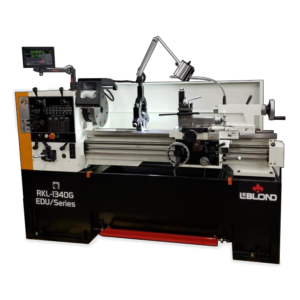
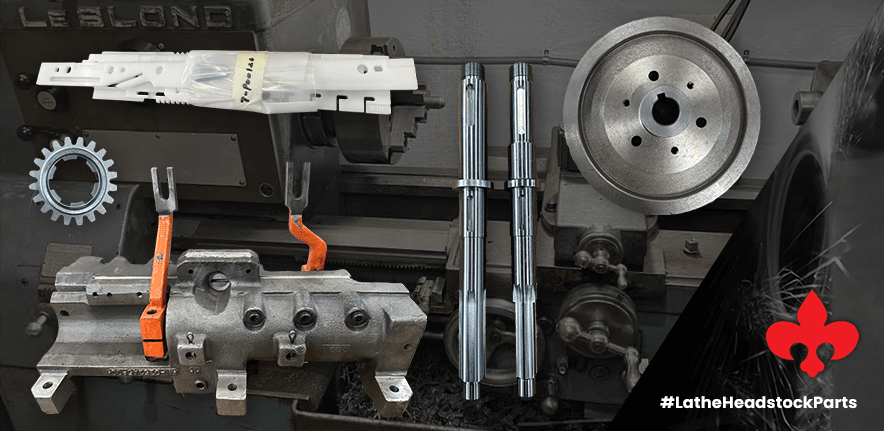
The headstock serves as the machine’s precision power center, housing the spindle, bearings, drive system, and lubrication components. Knowledgeable machinists regularly monitor spindle bearing temperatures and listen for unusual noises that may indicate wear or lubrication issues. They regularly check lubrication levels and inspect belts, pulleys, and drive components for signs of wear. Periodic spindle runout checks also identify developing issues before they affect part quality.
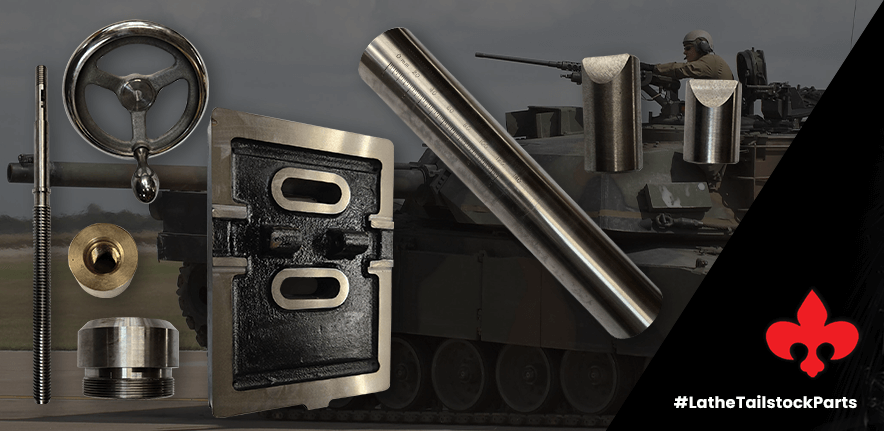
The tailstock plays an equally important role by supporting long workpieces and maintaining alignment during turning, drilling, and reaming operations. Tailstock quills should move smoothly without excessive play. Keep the quill clean and lubricated, inspect locking mechanisms for wear, and verify alignment with the spindle centerline regularly. Even slight misalignment can create taper, increase tool wear, and cause dimensional inconsistencies.
Six Efficiency Tips for Professional Operators
Beyond maintenance, experienced machinists can improve productivity through several best practices:
- Verify the machine alignment before quality issues start to appear
- Keep centers, collets, and workholding devices clean to prevent runout and improve setup repeatability
- Warm up the spindle before tight-tolerance jobs to minimize thermal growth effects
- Track spindle vibration, surface finish quality, and dimensional capability to identify problems early
- Standardize setup procedures for recurring jobs to reduce changeover time and improve consistency
- Use preventive maintenance checklists that operators can complete daily, weekly, and monthly.
Recommended Maintenance Schedule
Daily
- Clean chips from machine surfaces and ways
- Determine that lubrication systems are functioning properly
- Inspect coolant concentration and fluid levels
- Wipe and lubricate exposed tailstock and carriage surfaces
Weekly
- Check headstock oil levels and inspect for leaks
- Confirm tailstock alignment and locking performance
- Clean filters and coolant screens
- Inspect belts and drive components
Monthly
- Measure spindle runout
- Inspect spindle bearings for excessive heat or vibration
- Check machine leveling and alignment
- Examine gibs, leadscrews, and feed mechanisms for wear
Quarterly or Semi-Annually
- Conduct a full machine geometry inspection
- Replace worn seals, belts, and lubrication components as needed
- Analyze spindle vibration trends
- Verify machine accuracy using test cuts and precision measuring equipment
A professional lathe operator treats maintenance as part of the machining process rather than a separate task. Consistent attention to headstock performance, tailstock alignment, lubrication systems, and machine geometry helps ensure reliable production, tighter tolerances, longer tool life, and fewer unexpected interruptions on the shop floor.
Contact your LeBlond lathe representative to find the right parts to keep your headstock and tailstock in great condition.