


Increase and Improve Production through Frequent Spindle Maintenance
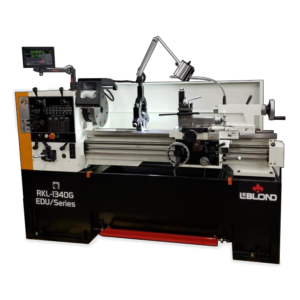
The spindle serves as one of the most critical components in lathe turning. The spindle controls rotational accuracy, surface finish quality, and overall machining performance. Proper spindle care protects machine precision, extends equipment life, and prevents costly downtime. Experienced machinists understand that spindle maintenance requires consistent attention, proper lubrication, cleanliness, and operating discipline.
Lubrication is Slick
Lubrication plays a direct role in spindle performance and longevity. Bearings inside the spindle rely on proper lubrication to reduce friction, dissipate heat, and prevent premature wear. Machinists should regularly check oil levels, grease points, and automatic lubrication systems before, during, and after a project.
Using the correct lubricant type and maintaining proper viscosity helps ensure smooth spindle rotation. Contaminated or degraded lubrication can cause overheating, vibration, and bearing failure. Scheduled lubrication checks help detect leaks, discoloration, or debris before damage occurs. Depending on the type, lubricants can become foul if not stored properly. Use fresh lubrication to prevent further spindle issues.
Spindle Cleanliness is Next to Godliness
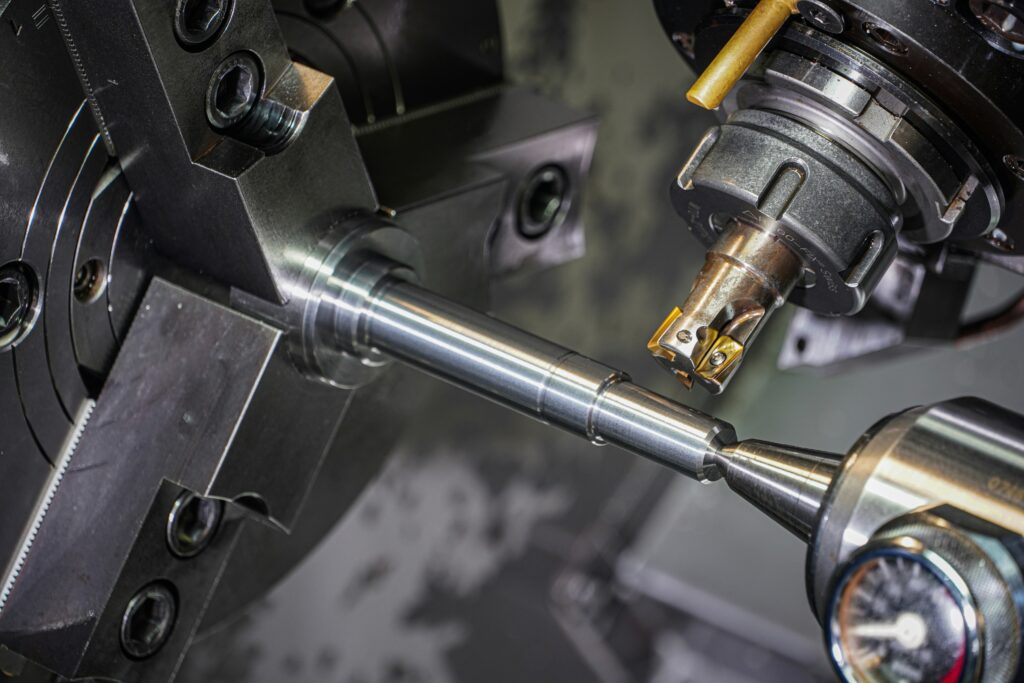
Metal chips, coolant residue, and dust represent major threats to spindle accuracy. Contaminants can enter spindle bearings or collect on spindle tapers and chuck mounting surfaces. Even small debris can cause runout, vibration, or tool misalignment.
Experienced machinists routinely clean spindle noses, tapers, and mounting surfaces using lint-free cloths and approved cleaning solutions. Inspect sealing surfaces and remove chip buildup after each job change. Consistent cleaning preserves concentricity and reduces wear.
Monitor Spindle Temperature and Vibration
Unusual heat or vibration often signals early spindle problems. Machinists should remain alert to changes in spindle sound, operating temperature, or surface finish quality. Excessive heat may indicate lubrication failure or bearing wear. Increased vibration may suggest imbalance, tooling issues, or internal damage.
Routine warm-up cycles also protect spindles by allowing lubrication to circulate and thermal expansion to stabilize before heavy machining begins.
Use Tooling and Workholding Best Practices
Incorrect tool balancing, excessive cutting forces, or improperly mounted chucks place unnecessary stress on spindle bearings. Ensure tooling remains balanced, properly tightened, and suitable for the cutting operation. Heavy interrupted cuts or aggressive feeds shorten spindle life when performed without proper setup. Correct workholding alignment maintains spindle accuracy and reduces side-loading damage to bearings.
Follow Scheduled Inspections and Maintenance
It may sound obvious, but preventative maintenance programs detect spindle wear before failure occurs. Regular inspections include checking runout, listening for bearing noise, monitoring lubrication flow, and verifying alignment. Planned maintenance schedules allow machinists to track performance trends and schedule repairs before catastrophic failure.
Protecting Long-Term Machining Precision
A well-maintained spindle ensures consistent part accuracy, smooth finishes, and reliable lathe operation. Experienced machinists preserve spindle performance through lubrication management, cleanliness, careful operation, and preventative inspection. Treating your spindle with love will allow your lathe to sing happily for many years.