Extend the useful life of these essential parts
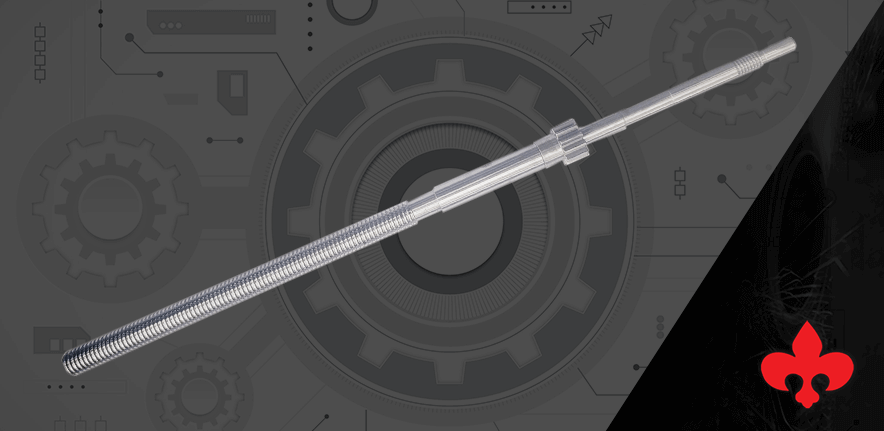
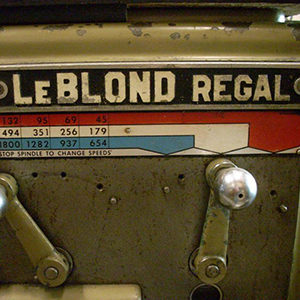
The lead screw and cross-feed screw are two of the most important mechanical parts on a LeBlond manual metalworking lathe. Both LeBlond lathe parts receive years of repetitive movement, cutting forces, chips, dirt, and potentially inadequate lubrication. When these components begin to wear, the effects show up as backlash, inconsistent dimensions, poor surface finish, and difficulty controlling the cut. Proper maintenance significantly extends the useful life of both screws and helps LeBlond engine lathes maintain accuracy.
Understanding the Lead Screw and Cross-Feed Screw
The lead screw primarily controls the carriage during threading operations. It also provides controlled longitudinal movement when the half nuts are engaged, depending on the lathe design.
The cross-feed screw moves the cross slide toward and away from the workpiece. It allows the operator to precisely control cutting depth and is used continuously during many turning and facing operations.
Both components require regular inspection and lubrication because the cross-feed screw positions and cuts a workpiece, while the lead screw experiences substantial wear during threading and power-feed operations.
Common Lead Screw and Cross-Feed Screw Failures
- Thread Wear
Repeated contact between the screw and its mating nut gradually wears the threads. Wear can be accelerated by inadequate lubrication, contamination, excessive cutting forces, or years of heavy use. Lead-screw wear can become especially noticeable in the areas of the screw that receive the most use. Cross-feed screws can develop similar wear in the portions of the screw that are used most frequently.
- Excessive Backlash
Backlash occurs when there is excessive clearance between the screw and its mating nut.
Some backlash is normal on an older machine, but excessive or increasing backlash can make it difficult to accurately position the cutting tool. Symptoms of excessive backlash include the handwheel turns a significant distance before the slide or carriage begins to move in the opposite direction.
- Damaged or Contaminated Threads
Chips and abrasive material can become embedded in the lubricant or threads. A damaged thread causes tight spots, inconsistent movement, or accelerated wear. Cross-feed screws are particularly vulnerable because they are located close to the cutting zone and exposed to chips and cutting fluid.
- Bent or Misaligned Screws
A lead screw or cross-feed screw becomes bent from an accident, excessive force, improper assembly, or a machine crash. A bent screw creates a noticeable variation in resistance as the handwheel rotates. Movement feels smooth through one portion of the rotation and tight through another.
- Worn or Damaged Nuts
The screw itself isn’t always the problem. The mating nut can wear significantly and contribute to backlash. Depending on the lathe design, replacing or rebuilding the nut restores acceptable performance without replacing the entire screw.
Warning Signs That Replacement or Repair May Be Necessary
LeBlond lathe operators should pay attention to changes in the machine’s normal behavior.
Common warning signs
- Increasing backlash
- Inconsistent carriage or cross-slide movement
- Difficulty maintaining dimensions
- A handwheel feels tight or loose at different positions
- Visible damage or excessive wear on screw threads
- Unusual noise during movement
- Difficulty engaging or disengaging the half nuts
- Poor threading accuracy
- Inconsistent carriage or cross slide movement
- Excessive vibration during powered movement
- A noticeable change in accuracy between different areas of travel
One important point is that backlash does not automatically mean the screw needs to be replaced. The screw, nut, gib adjustment, thrust bearings, or other components may contribute to the problem. Proper diagnosis identifies the actual source of the wear.
Identifying what causes lead screw and cross-feed screw failures is only half the battle. Our next post deals with how to mitigate all of the most common points of failure.
Click to contact Leblond