

Reducing Costs by Streamlining Production
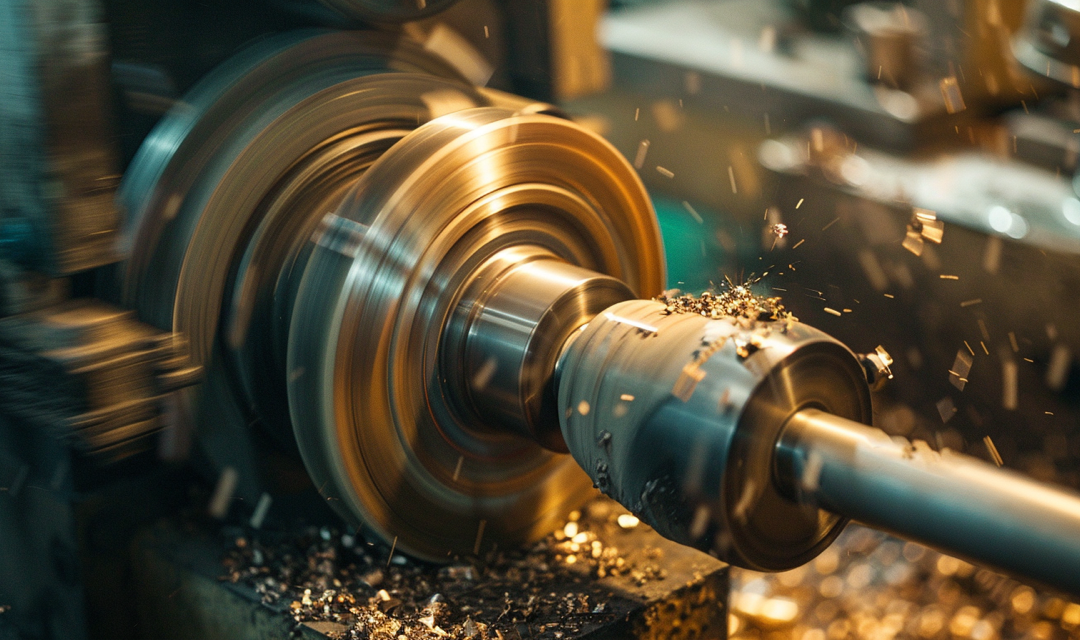
Consistency is mandatory when manufacturing precision parts. It’s the key to quality and profitability. Experienced machinists know every setup, tool path, and measurement decision directly impacts both cost and repeatability. Disciplined, strategic lathe turning offers a powerful opportunity to streamline production while delivering uniform, high-quality parts at scale. The following 6 tips are a solid guide to repeatability and reducing costs.
1. Standardize Setups for Predictability
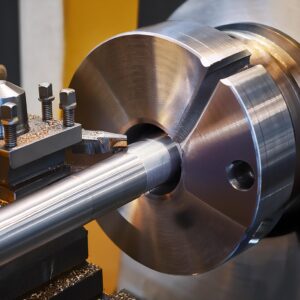
Repeatability begins with setup standardization. Consistent chucking methods, repeatable tool offsets, and clearly documented workholding procedures eliminate variability between runs. When setups are predictable, operators spend less time dialing in dimensions and more time producing parts.
Common workholding documentation tips include:
- Part and setup identification
- Define detailed workholding configurations
- Use visuals like photos, diagrams, sketches for clearly labeling orientation, contact points, and tooling clearances
- Determine a step-by-step process and checklist
- Include verification and QA checks
- Identify safety and failure risks
- Keep to a consistent format for version control
- Keep all documentation simple
Quick-change tooling systems and pre-qualified tool libraries also reduce setup time. A machinist who uses standardized tooling can switch between jobs efficiently while maintaining confidence that each tool will perform as expected.
2. Leverage CNC Programming for Consistency
CNC lathes enable machinists to lock in repeatability through precise programming. Once a program is proven, it can be reused with minimal variation, ensuring that each part matches the last. This consistency reduces scrap rates and minimizes the need for manual adjustments.
Machinists also refine programs over time. Small improvements in feed rates, spindle speeds, and tool paths can shorten cycle times without sacrificing quality. These incremental gains compound into meaningful cost savings across high-volume production.
3. Control Tool Wear and Extend Tool Life
Tool wear is a significant contributor to part inconsistency and rising costs. A disciplined machinist monitors tool performance closely and replaces inserts before they degrade part quality. Predictable tool change intervals prevent dimensional drift and reduce scrap.
Using the correct cutting parameters for the material also extends tool life. Proper speeds, feeds, and coolant application reduce heat buildup and wear, allowing tools to maintain performance over longer production runs.
Top 4 tips for checking tool wear:
- Watch for changes in surface finish
- Monitor cutting forces and machine load
- Listen for changes in sound and vibration
- Inspect the tool edge and chip formation
4. Implementing In-Process Inspection
Repeatability improves when quality checks are built into the process rather than left to final inspection. In-process measurement probes and gauges verify dimensions during production. This approach catches deviations early and prevents large batches of defective parts. It also allows on-the-fly adjustments to keep production within tolerance and reduce costly rework.
5. Maintaining Machine Accuracy
Even the best programming and tooling cannot compensate for a poorly maintained machine. Regular maintenance of the lathe ensures consistent performance. Check spindle alignment, lubricate moving components, and calibrate axes for regular upkeep. Machinists treat maintenance as part of the production process, not an afterthought. A well-maintained machine produces more accurate parts and reduces the risk of unexpected downtime.
6. Building a Process-Driven Approach
Achieving cost reduction and repeatability doesn’t occur through a single change. Improved results happen with a process-driven mindset that values consistency at every stage of machining. From setup and programming to tooling and inspection, each step must support the goal of producing identical parts efficiently.
When a machinist applies this level of discipline to lathe turning, the results drive down production costs, reduce waste, and build greater confidence in every finished component. That combination delivers differentiation in a competitive manufacturing environment.
Speaking of reducing costs…
If you are looking for efficient machinery or looking to maintain your quality machine from Leblond, click here for a Free Quote on Industrial Manufacturing Machinery and Machine Parts .