
The Difference in Precision Turning with Large-Bore Lathes
“Go big or go home” is more than a catchy phrase. It is often practical when machining large parts. Manufacturers who work with long or thick shafts and heavy bar stock know equipment limitations can slow production and introduce unnecessary complexity. A large-bore lathe removes many of those limitations by allowing machinists to feed larger material through the spindle while maintaining tight tolerances. When precision turning requires both size and accuracy, a large-bore lathe becomes a powerful asset on the shop floor.
What Is a Large Bore Lathe?
A large-bore lathe is defined by the spindle bore diameter, which allows bar stock to pass through the spindle. Traditional lathes may have spindle bores that accommodate smaller diameter materials. In contrast, large-bore machines provide significantly wider openings, enabling machinists to handle oversized stock without cutting it down beforehand.
This capability is particularly valuable in industries such as oil and gas, heavy equipment, transportation, and energy production; Manufacturers in these sectors frequently machine large cylindrical components, such as rollers, hydraulic cylinders, and industrial shafts. A large-bore lathe allows these parts to be machined with greater stability and fewer setup changes.
Key Benefits of Large Bore Lathes
- Improved Material Handling
- Large-bore lathes allow operators to feed large-diameter bars directly through the spindle. This capability eliminates the need to pre-cut stock into smaller pieces, saving time and reducing material handling.
- Greater Part Stability
- When large workpieces are supported through the spindle rather than hanging outside the machine, vibration and deflection decrease. Increased stability helps machinists achieve tighter tolerances and smoother surface finishes.
- Higher Production Efficiency
- Fewer setups mean faster cycle times. Shops that machine multiple parts from long bar stock can perform sequential operations without repeatedly repositioning material.
- Versatility for Large Components
- Large-bore lathes allow shops to take on projects involving oversized components that standard machines cannot handle. This versatility opens the door to new industries and higher-value work.
When to Use a Large Bore Lathe Instead of a Standard Lathe
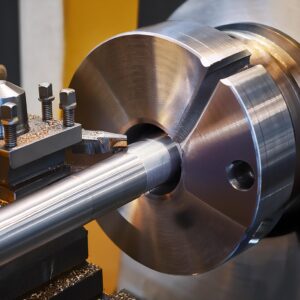
A large-bore lathe becomes the better choice when the diameter of the raw material approaches or exceeds the spindle capacity of a standard lathe. Machining long shafts, thick-walled tubing, rollers, and pipe components often requires feeding substantial stock through the spindle to maintain balance and rigidity. A standard lathe may require the material to extend far beyond the chuck, which can create vibration and deflection, reduce accuracy, and require additional support equipment. A large-bore lathe eliminates many of these challenges by allowing the material to pass through the spindle while remaining properly supported. This setup improves machining stability and makes it easier to maintain consistent precision across long or heavy parts.
Best Practices for Precision Turning with Large Bore Lathes
- Maintain Proper Workpiece Support
- Even with a large-bore spindle, machinists should use tailstocks, steady rests, or follow rests when turning long parts. Proper support prevents deflection and preserves dimensional accuracy.
- Optimize Tooling for Heavy Cuts
- Large-diameter materials often require more aggressive cutting forces. Shops should select robust tool holders and carbide inserts designed for heavy-duty turning.
- Monitor Spindle Load and Balance
- Large stock can introduce imbalance if the material is not centered correctly. Operators should verify alignment and monitor spindle load to protect the machine and maintain precision.
- Implement Consistent Lubrication and Cooling
- Heavy turning generates significant heat. Effective coolant delivery and proper lubrication protect cutting tools and maintain surface finish quality.
When Large Bore Lathes Make the Biggest Impact
Large-bore lathes shine in environments where size and throughput matter equally. Machine shops that produce long shafts, rollers, pipes, and large mechanical components benefit the most from their capabilities. Instead of struggling with workarounds for oversized stock, these shops can streamline production with equipment designed specifically for large-scale turning.
In precision machining, bigger equipment does not mean sacrificing accuracy. With the right setup, tooling, and maintenance practices, large-bore lathes allow manufacturers to combine size, strength, and precision. For many machining operations, the philosophy holds: when the work demands it, go big or risk going home.
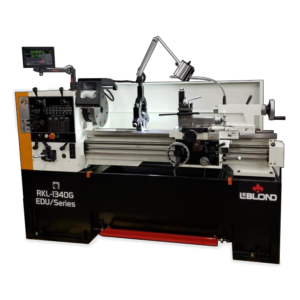
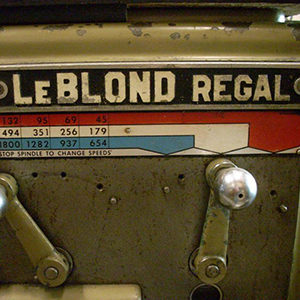
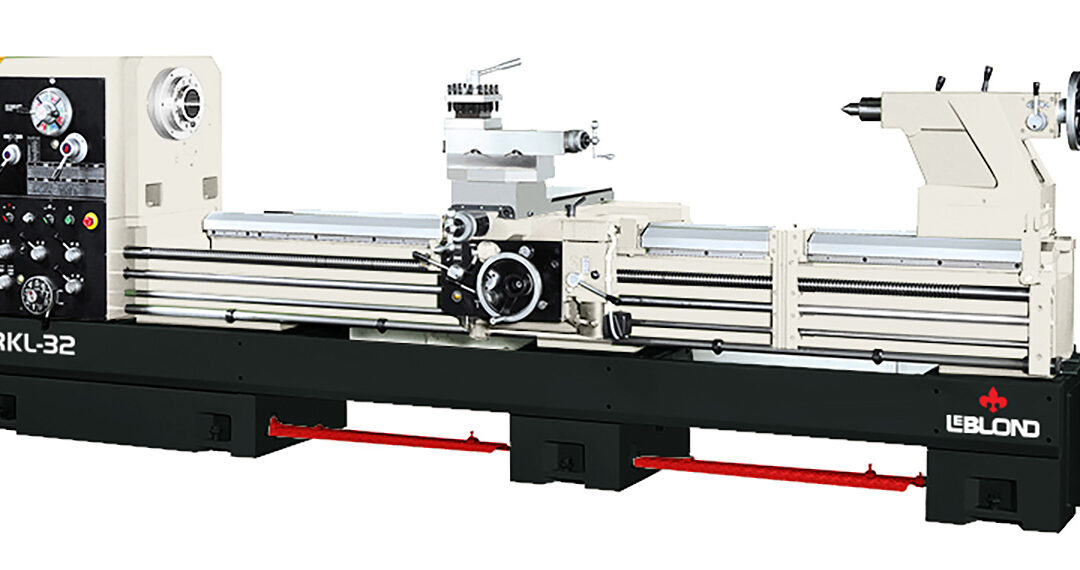
If you are looking for the best of both worlds, take a look at Leblond’s Precision Large-Bore Heavy-Duty Lathes .