
Machine Shops Grow with Solid ROI on Educational Lathes
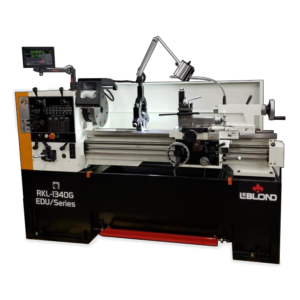
 A machine shop can’t scale without people who know how to run the machines. That sounds obvious, yet many shops try to solve a labor shortage by chasing experienced hires in a shrinking pool. An educational lathe changes that equation. It turns workforce development into an in-house capability. The return on investment is more tangible than most expect when you run the numbers.
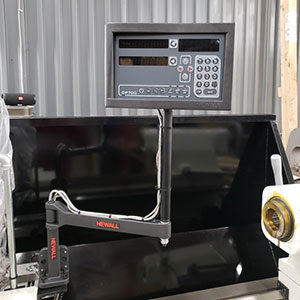
An educational lathe is not about production speed; it is about controlled learning. It gives new hires and cross-trained employees a place to make mistakes without tying up high-value equipment. Instead of risking scrap on primary machines, trainees build fundamentals through setup, tool geometry, feeds and speeds, and inspection; all on a dedicated platform. That separation protects throughput while accelerating skill development.
Educational Lathe ROI
The first ROI lever is reduced scrap and rework. A single misloaded tool or offset error on a production lathe can wipe out hours of material and machine time. When trainees learn on an educational machine, those early errors happen on inexpensive stock under supervision. Over a year, the avoided scrap alone can offset a meaningful portion of the machine cost, especially in shops working with alloy steels or tight-tolerance parts.
The second lever is faster ramp-up time. Hiring a green operator typically means months before they contribute consistently. With a structured training cell built around an educational lathe, shops standardize instruction and compress that timeline. Even shaving a few weeks off onboarding translates into billable hours gained. Multiply those gains across several hires, and the impact compounds quickly.
Third is retention. Skilled machinists value environments where they can grow. A visible training program signals investment in people, not just output. Employees who see a path from basic operation to advanced setups and programming are more likely to stay. Lower turnover reduces recruiting costs, onboarding disruption, and the hidden productivity dips that come with constant churn.
Next, there’s a utilization advantage. Reserve production lathes for revenue-generating work. Using these lathes for training creates a hidden opportunity cost: every hour spent teaching is an hour not invoiced. An educational lathe isolates training, so your primary machines keep cutting. That separation alone can justify the purchase in shops running near capacity.
Financially, the math becomes clear when stacking these factors: avoided scrap, faster onboarding, improved retention, and preserved production time. Add in potential tax advantages for capital equipment and the possibility of local workforce development grants, and the payback period often shortens further.
The strategic benefit may be the most important. Shops that build their own talent pipeline are less exposed to labor market swings. They take on more complex work with confidence, knowing they have a system to develop the skills required. Over time, that capability becomes a competitive edge as real as any piece of equipment on the floor.
An educational lathe does not replace production assets; it amplifies them.
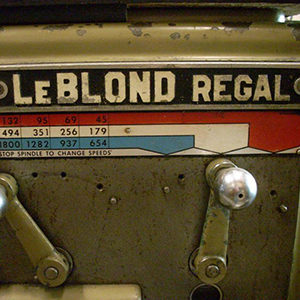
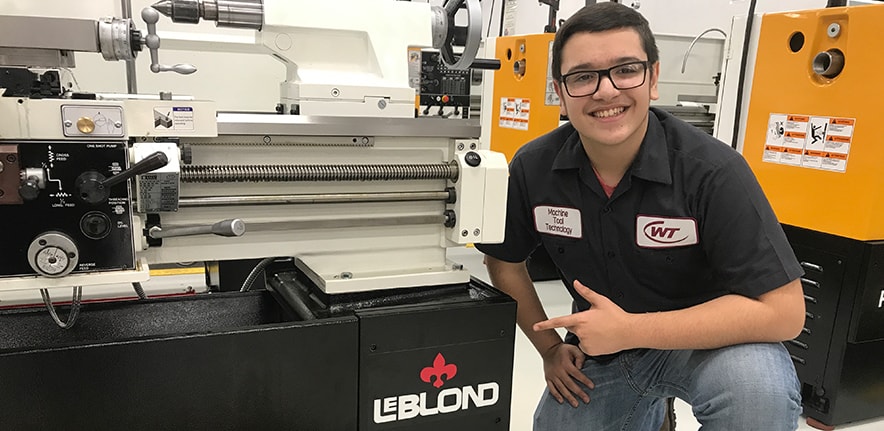
An educational lathe ensures that when a spindle is turning, it is turning in the hands of someone prepared to make it count. Contact LeBlond about educational lathes to get started.
Do you have “used” educational lathes?
Hi Dennis,
Contact our team at 888-532-5663 and we can discuss the options.