
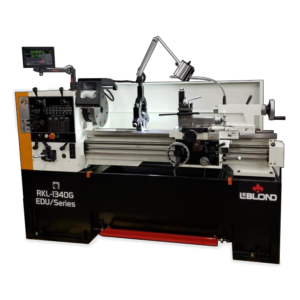
Top 5 Pro Tips for Maintaining Your Metalworking Lathe’s Coolant System
In today’s precision machining environment, coolant does much more than keep cutting tools cool. A properly maintained coolant system improves surface finish, extends tool life, enhances chip evacuation, and helps maintain the tight dimensional tolerances that customers expect. Unfortunately, many machine shops only pay attention to coolant systems after problems begin to appear.
Preventive maintenance of your lathe’s coolant system is one of the simplest ways to improve productivity while reducing costly downtime. Here are five professional maintenance best practices to help keep your lathe operating at peak performance.
1. Keep Coolant Concentration Within Specification
Coolant concentration directly affects lubrication, cooling efficiency, and corrosion protection. If the mixture is too weak, tools wear prematurely and machine components become susceptible to rust. If it’s too strong, coolant costs increase and residue may build up on parts and tooling.
Use a refractometer to verify coolant concentration on a regular schedule. Weekly checks are common for most shops and daily for high-volume production. Always follow the coolant manufacturer’s recommended mixture ratio and remember the golden rule of coolant mixing: add concentrate to water, never water to concentrate. Using clean or treated water can also reduce mineral deposits and improve coolant performance.
2. Eliminate Chips and Contaminants Before They Become Problems
Metal chips, grinding dust, and tramp oil all reduce coolant effectiveness. As contaminants circulate through the system, they can accelerate pump wear, clog nozzles, and increase tool wear while negatively affecting surface finish. Regularly empty chip conveyors, clean basket strainers, and inspect filters before they become restricted. For shops machining ferrous materials, magnetic separators can remove fine steel particles, while oil skimmers help eliminate floating tramp oil from way lubricants and hydraulic systems. Keeping coolant clean allows it to perform its primary job of cooling and lubricating the cutting zone.
3. Verify Coolant Flows to the Cutting Edge
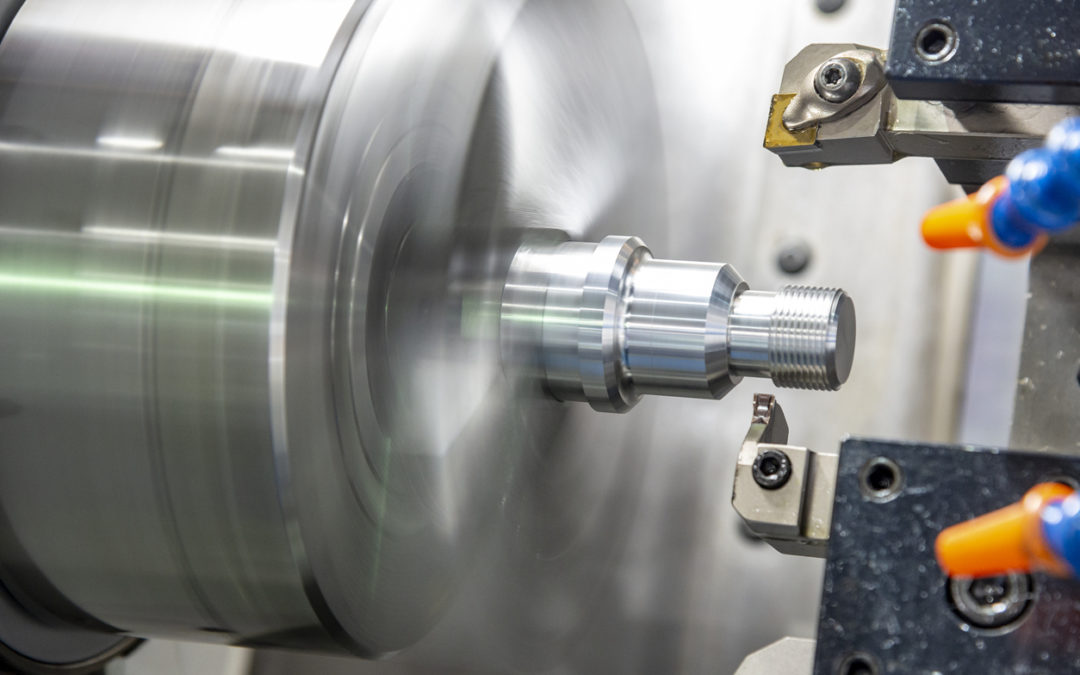
Even perfectly mixed coolant cannot do its job if it isn’t reaching the cutting tool. Inspect coolant pumps for reduced pressure, worn impellers, clogged suction screens, or leaking connections. Just as importantly, verify coolant nozzles aim directly at the cutting edge where heat is generated. Proper coolant delivery improves chip evacuation, reduces cutting temperatures, minimizes built-up edge, and contributes to better dimensional consistency throughout production runs.
4. Prevent Bacteria and Coolant Breakdown
Coolant naturally degrades over time, particularly when contaminated with tramp oil or left stagnant for extended periods. Warning signs include unpleasant odors, excessive foam, discoloration, or slimy residue in the coolant tank. Removing tramp oil regularly, maintaining coolant circulation, and thoroughly cleaning the sump before replacing coolant all help extend coolant life. Preventing bacterial growth not only creates a healthier work environment but also reduces coolant replacement costs and improves machining consistency.
5. Inspect the Entire Coolant Delivery System
A coolant system is much more than a reservoir and pump. Flexible hoses, fittings, valves, filters, nozzles, seals, and high-pressure coolant units all play important roles in delivering coolant where it is needed. Inspect these components for leaks, cracks, corrosion, loose fittings, or restricted flow during routine preventative maintenance. Addressing small issues before they become failures can prevent unplanned downtime and help keep production schedules on track.
One Simple Hack That Pays Big Dividends
Many high-performing machine shops maintain a coolant maintenance log. Recording coolant concentration, pH levels, filter changes, sump cleanings, and pump inspections helps identify trends before they become expensive repairs. This documentation also promotes consistency across multiple shifts and machines, ensuring every operator follows the same maintenance standards.
Keep Your Lathe Performing at Its Best
Your coolant system is one of the hardest-working systems on the machine, yet it’s often one of the most overlooked. By maintaining proper coolant concentration, keeping contaminants under control, ensuring consistent coolant flow, preventing biological contamination, and routinely inspecting the entire delivery system, you can significantly improve machining performance. The payoff is real: longer tool life, improved surface finishes, tighter dimensional accuracy, lower maintenance costs, and more reliable production. A proactive coolant maintenance program not only protects your machine, it helps maximize productivity and profitability on every job.
Contact your LeBlond lathe representative to learn more about proper lubrication to keep your lathe in great condition.