
How Does a Company Replace Skilled Machinists when Skilled Machinists Cannot be Retained?

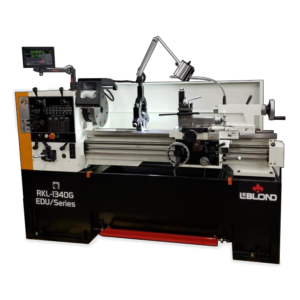
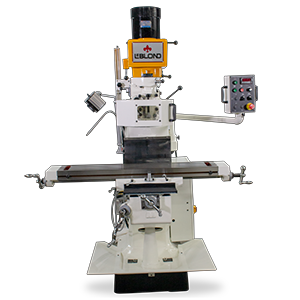
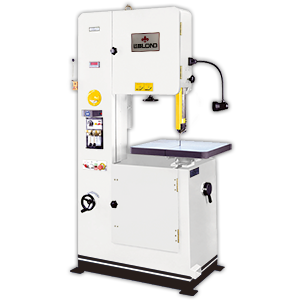
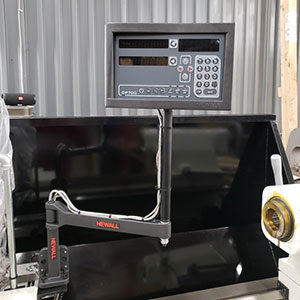
Baby boomers with decades of machining experience are leaving the workforce at a rapid pace, taking invaluable tribal knowledge with them. At the same time, younger workers are entering the manufacturing workforce with different expectations, communication styles, and career goals. This moment is becoming more common and urgent in many machine shops across the U.S. Machine shops that want to remain competitive must do more than simply hire new machinists. They must create an environment where experienced workers can mentor the next generation while younger employees feel supported, challenged, and motivated to stay. Modern lathes, mills, band saws, and other tools play a large role in employee satisfaction.
Build a Strong Mentorship Program
One of the most effective ways to retain machinists is by pairing experienced machinists with newer employees. Skilled machinists often possess knowledge that cannot be learned from manuals or programming software alone. They understand setup efficiencies, tool wear patterns, material behavior, and troubleshooting techniques developed through years of hands-on experience.
Formal mentorship programs help preserve this expertise while giving younger employees confidence and direction. New hires who feel guided rather than abandoned are far more likely to remain loyal to a machine shop. Mentorship also creates stronger relationships between generations, helping bridge communication gaps between seasoned machinists and Gen Z employees.
Provide Clear Career Paths
Many machinists leave employers because they do not see long-term growth opportunities. Machine shops that clearly define advancement paths often retain talent more successfully. Employees want to know how they can progress from machine operator to setup technician, CNC programmer, quality specialist, or shop supervisor.
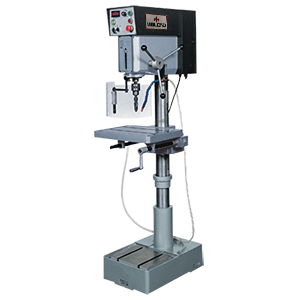
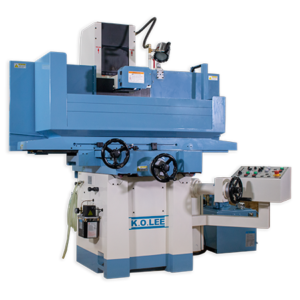
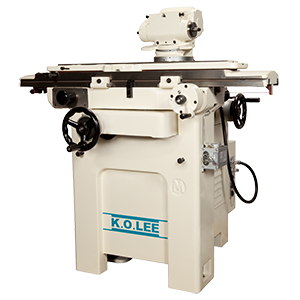
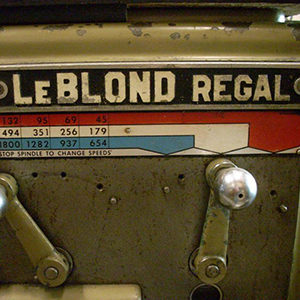
Gen Z workers especially value professional development. They want to build skills that improve their future earning potential and career stability. Offering training certifications, tuition assistance, apprenticeships, and cross-training opportunities shows employees the company is invested in their future. Developing skills across multiple machines provides machine shop depth. LeBlond’s suite of products—lathes, mills, band saws, surface grinders and drill presses—fulfills those needs.
Create a Positive Shop Culture
Machine shop culture plays a major role in retention. Employees are more likely to stay in environments where they feel respected, heard, and appreciated — toxic leadership, poor communication, and constant criticism quickly drive skilled machinists elsewhere.
Strong shop cultures prioritize teamwork, accountability, and recognition. Celebrating production milestones, safety achievements, and quality improvements helps employees feel connected to company success. Even small gestures, such as acknowledging excellent work or asking for employee feedback, can improve morale significantly.
For Gen Z employees, workplace culture often matters just as much as compensation. They value collaboration, transparency, and leadership that communicates openly.
Offer Competitive Compensation and Flexibility
Pay remains one of the biggest retention factors in manufacturing. Skilled machinists understand their value, especially as labor shortages continue across the industry. Shops that fail to provide competitive wages risk losing talent to competitors.
However, compensation is no longer limited to hourly pay alone. Flexible scheduling, additional paid time off, shift preferences, and work-life balance are increasingly important to younger workers. Even modest flexibility can improve employee satisfaction and reduce turnover.
Focus on Continuous Learning
Machining is constantly evolving with new tooling technologies, programming methods, and automation systems. Employees who continue learning are more engaged and confident in their work.
Providing ongoing education opportunities through workshops, trade shows, online courses, and supplier training programs keeps machinists motivated. Continuous learning also helps employees feel the company is preparing them for the future rather than leaving them behind.
Make Work Meaningful
Gen Z employees often want to understand how their work contributes to larger goals. Machine shops can improve retention by showing employees the real-world impact of the parts they produce. Whether machining aerospace components, medical devices, or industrial equipment, connecting daily tasks to meaningful outcomes builds pride and purpose.
Younger machinists are more likely to stay engaged when they understand they are not simply running machines but are helping build products that support industries, infrastructure, transportation, and technology worldwide.
Passing the Torch
Retaining machinists in today’s manufacturing environment requires more than competitive wages or hiring bonuses. Machine shops must create workplaces where experienced machinists can transfer knowledge while younger employees feel valued, challenged, and connected to a long-term future. The shops that succeed will be the ones that treat mentorship, education, culture, and technology as investments rather than expenses. As veteran machinists retire, the future of manufacturing will depend on how effectively the next generation is trained, motivated, and inspired to carry the trade forward.
Interested in an Educational Lathe or a Precision High Speed Heavy Duty Lathe? Contact Leblond Today!