
Top nine tips for best headstock performance
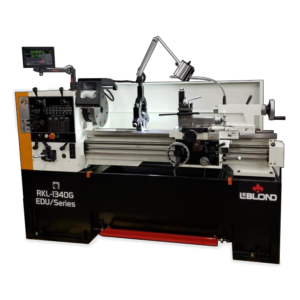
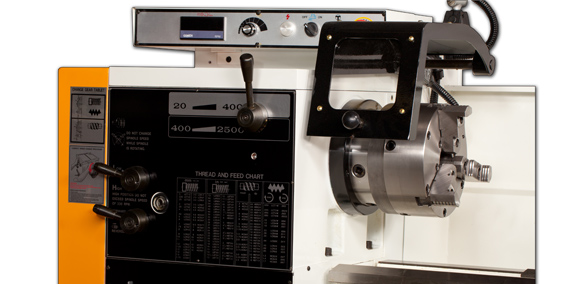
Checking the headstock lubrication system should be part of a regular preventive maintenance program for a professional lathe technician. A properly functioning lubrication system protects spindle bearings, gears, shafts, and other critical components from premature wear, overheating, and costly downtime. Any lathe operator benefits from following these top nine performance checks on their lathes.
1. Review the Machine Manual
Simply put, RTM – Read the Manual. Start by verifying the lubrication requirements. Check the recommended lubricant type and viscosity, oil capacity, lubrication points, operating pressure specifications, oil flow requirements and maintenance intervals. Different headstocks may use splash lubrication, forced-pressure lubrication, oil mist systems, and grease-packed spindle bearings. The manual provides all the basic details needed to maintain the headstock.
2. Inspect Oil Levels
Before starting the machine, check the sight glass or oil level indicator. Verify the oil level falls within the lathe’s specified range. Look for signs of contamination such as a milky appearance indicating water contamination, dark discoloration, any metal particles, or sludge buildup. These tell-tale signs indicate old, contaminated, or impure fluids. Low oil levels can quickly damage spindle bearings and gears if not replenished timely.
3. Verify Oil Circulation
Run the machine and confirm lubricant is circulating properly. Look for:
- Oil movement in sight-flow indicators
- Oil returning to the reservoir
- Visible oil splashing inside inspection windows
- Proper operation of lubrication pumps
A lack of visible oil flow may indicate clogged lines, a failed pump, blocked filter, or air trapped in the system.
4. Check Lubrication Pressure
For pressure-fed systems, observe pressure gauges while the machine operates. Compare these readings to the manufacturer specifications. Then, monitor for any pressure fluctuations. These indicators of low pressure are often a result of a worn pump, internal leakage, restricted suction line or low oil levels. Take the necessary steps to evaluate the source of the pressure discrepancies.
5. Inspect Filters and Strainers
Dirty filters restrict oil flow. Check the oil filters, suction strainers, and magnetic plugs. Excessive metal debris, contamination, and clogged filter media indicated action is needed. Large metal particles may indicate gear or bearing wear inside the headstock. Clear any debris from the headstock regularly.
6. Monitor Headstock Temperature
Use an infrared thermometer or thermal camera after operating the lathe for a period of time. Compare temperatures at multiple locations around the headstock. Watch for localized hot spots. Elevated temperatures often indicate insufficient lubrication, bearing wear excessive preload, or oil flow restrictions. Burnt odors are an indication of increased temperatures. Pause operation and evaluate the source.
7. Listen for Unusual Sounds
An improperly lubricated headstock may throw a variety of noises. Watch for growling bearing, whining gears, clicking noises, and increased vibration. Changes in sound often appear before major failures occur.
8. Check for Oil Leaks
Even minor leaks can eventually lower oil levels and starve bearings. Inspect shaft seals, sight glasses, fittings, oil lines, and pump connections before during and after operations. Address any signs of leakage immediately.
9. Perform Oil Analysis
For production machines, periodic oil analysis can identify problems before failures occur. Test for wear metals, water contamination, viscosity changes, oxidation, and additive depletion. Oil analysis often reveals bearing or gear wear months before a breakdown occurs.
Taking action after identifying any of the above headstock performance issues pays dividends if addressed early. Small problems left unattended create big issues later if unaddressed. Learn to identify the signs of headstock issues before, during, and after operating a lathe.
Contact your LeBlond lathe representative to find the right parts to keep your industrial manufacturing headstock machinery in great condition, or select your parts online here.