
Why the Right Lathe Replacement Parts Matter
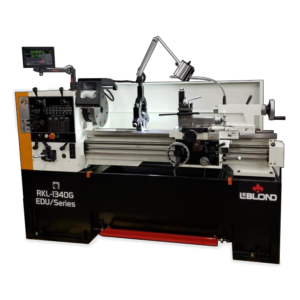
 In any machine shop, a lathe is more than just a piece of equipment. A lathe is the heartbeat of production. When running smoothly, replacement parts flow, machinists meet deadlines, and margins stay intact. But when something fails, everything downstream feels the impact. The difference between a minor hiccup and a costly shutdown often comes down to having the right replacement parts on hand.
Time Is Lost Faster Than You Think
Downtime rarely announces itself in advance. A worn bearing, a failed servo motor, or a damaged tool holder can bring production to a halt without warning. When the correct replacement parts aren’t readily available, what should be a quick fix turns into hours or even days of delay.
Ordering parts after a failure introduces shipping time, sourcing challenges, and sometimes even compatibility issues. Meanwhile, operators stand idle and jobs fall behind schedule, which risks customer commitments. Having the right parts in inventory eliminates that lag and turns unexpected breakdowns into manageable interruptions.
Saving Money Beyond the Obvious
At first glance, stocking replacement parts may seem like an added expense. But in reality, it is a strategic investment preventing much larger financial losses. Revenue evaporates every minute of downtime. Labor costs continue, overhead expenses accumulate, and missed deadlines lead to penalties or lost business. Emergency part orders often come with expedited shipping fees and premium pricing, further increasing costs.
Shops avoid these inflated expenses by maintaining a well-planned inventory of critical components such as bearings, seals, belts, gears, and inserts. Preventive replacement, rather than reactive repair, also reduces the likelihood of catastrophic failures that require major machine overhauls.
Reducing Downtime Through Preparedness
Preparedness is what separates reactive shops from efficient, high-performing operations. The right replacement parts strategy allows maintenance teams to act immediately when issues arise.
Even more importantly, it enables planned maintenance. Instead of waiting for a component to fail, machinists can replace parts during scheduled downtime, keeping production on track. This proactive approach improves machine reliability, extends equipment life, and ensures consistent part quality. Putting a plan in place is key to building in anticipated repairs without interrupting production.
A well-organized parts system, complete with labeled inventory, supplier relationships, and documented specifications, also removes guesswork. The solution is already within reach when a problem occurs.
Consistency and Quality Go Hand in Hand
Worn or failing components not only risk downtime, but they also compromise part quality. A degraded spindle bearing or loose tool holder can introduce vibration, chatter, and dimensional inaccuracies.
Using the correct replacement parts ensures that the lathe continues to perform at its intended precision. This consistency reduces scrap, minimizes rework, and maintains the level of quality customers expect. That reliability is essential in industries where tolerances are tight and standards are high.
Building a Smarter Maintenance Strategy
The most successful machine shops treat replacement parts as a core part of their operational strategy, not an afterthought. They identify high-wear components, track usage patterns, and maintain a ready supply of critical items. They also partner with reliable suppliers, standardize components where possible, and document maintenance procedures so that every technician can respond quickly and effectively.
Final Thoughts on Replacement Parts and Preparedness
Lathes are durable, but no machine is immune to wear and tear. The shops that stay productive and profitable are the ones that plan for the inevitable. Having the right replacement parts on hand transforms downtime from a costly disruption into a controlled event. Preparation saves time by enabling immediate repairs, saves money by avoiding emergency costs, and protects production by keeping machines running when it matters most.
In the end, the smartest investment isn’t just in the lathe, it’s in keeping the machine running.
Speaking of reducing costs…
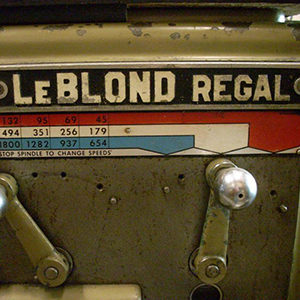
If you are looking for quality replacement parts to maintain your quality machine from Leblond, click here for a Free Quote on Industrial Manufacturing Machinery and Replacement Parts .